

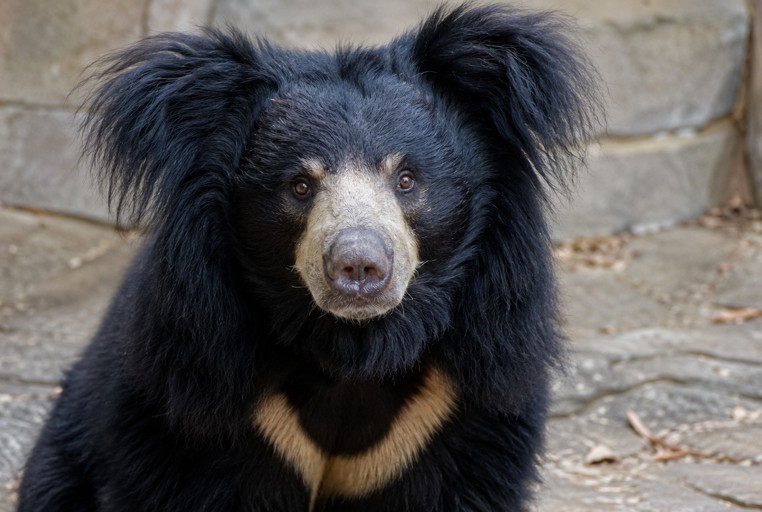
Some animals have spots, stripes or unusual markings that make them stand out. But one sloth bear at Brookfield Zoo in Chicago is getting attention for something much funnier: a natural hairstyle that looks just like a pair of ponytails.
A TikToker named Ash, who posts under @ashgoestolawschool, spotted the bear during a visit to the zoo and could not help but notice his unforgettable look.
The bear, named Kartik, does not actually have ponytails. His fur simply grows in a way that makes it look like he walked straight out of a salon.
Still, that has not stopped people online from losing it over his accidental hairstyle.
Ash joked in the caption, “Baddie bear actually has a nice ring to it though…”
WATCH THE VIDEO BELOW:
Viewers agreed.
“He just wanted to feel bonita!” one commenter joked.
Kartik’s shaggy fur may look adorable, but there is actually a good reason sloth bears have such wild coats.
According to the American Museum of Natural History, a sloth bear’s scruffy appearance helps protect it in the wild. Termites make up a big part of their diet, and their long fur can help shield them from painful bites while they raid termite nests.
Sloth bears also have another strange but useful trick. They can close their nostrils while feeding, which helps keep insects from crawling up their noses.
Their shaggy coats can also help their cubs. Baby sloth bears often ride on their mother’s back, and the long fur gives them something to hold onto.
But while Kartik may look silly and sweet, sloth bears are not animals to mess with.
According to the BBC, sloth bears have a fierce reputation and are considered among the most dangerous bears in the world. They are known for standing their ground against predators, including tigers.
They are not naturally aggressive, but when threatened, they can become powerful opponents. Sloth bears often rise up on their hind legs to look larger and show off their long claws as a warning.
Even tigers have been known to think twice before taking them on.
One more surprising fact: sloth bears are not actually related to sloths. They got their name because early observers thought their long claws and unusual teeth looked similar to those of a sloth.